Discover the most powerful trust signals that boost Google rankings in 2026. Learn EEAT-focused SEO strategies, real examples, and actionable tips to build authority, trust, and long-term organic growth.
Why Trust Signals Matter More Than Ever in 2026
Google’s algorithm in 2026 is no longer impressed by keywords alone. It prioritizes trust, credibility, and real-world authority. If users don’t trust your website, Google won’t either.
That’s where trust signals come in.
Trust signals are indicators that prove your website is reliable, expert-driven, and user-focused. Strong trust signals directly impact :
- Higher Google rankings
- Better click-through rates (CTR)
- Improved user engagement
- Long-term SEO stability
In this blog, TrendChaska breaks down the most powerful trust signals that boost Google rankings in 2026, aligned with Google EEAT guidelines.
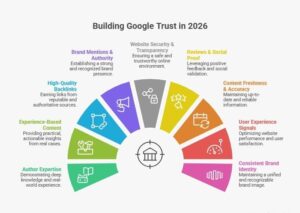
What Are Trust Signals in SEO?
Trust signals are on-page and off-page elements that help Google and users decide whether your content deserves visibility.
In 2026, Google evaluates trust through:
- Content authenticity
- Author credibility
- Brand reputation
- User experience
- Transparency and accuracy
Simply put: If users trust you, Google rewards you.
Google EEAT in 2026 – The Core of Trust
EEAT stands for:
Experience – Real-life usage or involvement
Expertise – Subject knowledge
Authoritativeness – Industry recognition
Trustworthiness – Accuracy and transparency
In 2026, Trust (the last T) is the strongest ranking influence.
Google now asks:
“Can users safely rely on this content?”
Powerful Trust Signals That Boost Google Rankings in 2026
1. Real Author Profiles With Proven Experience
Anonymous content no longer works.
What Google prefers:
- Clear author name
- Professional bio
- Real experience in the topic
- Social or portfolio links
Read our breakdown of Best Beginner-Friendly AI Marketing Tools in 2026 to see how author credibility impacts discovery and trust
Modern websites also combine EEAT principles with AI-powered SEO and content writing strategies to create more helpful, optimized, and user-focused content that aligns with Google’s evolving ranking systems.
2. First-Hand Experience Content (Experience-Based SEO)
Google prioritizes content written from real usage or personal insight.
Examples:
- Case studies
- Personal experiments
- Practical tutorials
- Real results and screenshots
Why it ranks: Because AI-generated or copied content lacks lived experience.
3. High-Quality Backlinks From Trusted Sources
In 2026, backlinks matter—but quality beats quantity.
Google values links from:
- Reputed websites
- Industry blogs
- Educational platforms
- News portals
Avoid:
- Spam links
- Paid link networks
- Irrelevant directories
Link to authoritative resources like Moz or Search Engine Journal on quality backlink strategies.
4. Brand Mentions Without Links (Implied Trust)
Even when your brand is mentioned without a backlink, Google notices.
Brand mentions signal:
- Online authority
- Brand awareness
- Industry presence
Action Tip: Focus on PR, collaborations, podcasts, and social visibility.
5. HTTPS, Privacy Policy & Transparent Pages
Security is a non-negotiable trust factor.
Your website must have:
- HTTPS (SSL certificate)
- Privacy Policy
- Terms & Conditions
- Contact page
- About Us page
These pages reassure both users and Google.
Learn more about our mission at TrendChaska’s About Us.
6. Genuine Reviews, Testimonials & Social Proof
User-generated trust is powerful.
Google trusts:
- Real customer reviews
- Testimonials with names
- Case studies
- Google Business Profile ratings
Bonus: Embed review schema to enhance SERP appearance.
7. Accurate, Updated & Fact-Checked Content
Outdated content damages trust.
In 2026, Google favors:
Regular content updates
Correct statistics
Updated references
Fresh insights
Pro Tip: Add “Last Updated” dates to blogs.
8. Strong User Experience (UX Signals)
User behavior is a silent trust signal.
Google tracks:
- Time on page
- Bounce rate
- Page speed
- Mobile responsiveness
A smooth UX makes Google users feel safe and satisfied.
9. Clear Content Structure & Helpful Formatting
Readable content builds trust.
Best practices:
- Short paragraphs
- Clear headings (H1–H6)
- Bullet points
- Simple language
This aligns with Google’s Helpful Content System.
10. Consistent Brand Identity Across Platforms
Google cross-verifies your brand.
Ensure consistency in:
- Brand name
- Logo
- Messaging
- Social profiles
- Website tone
A consistent brand = a reliable brand.
Common SEO Mistakes That Reduce Trust in 2026
Avoid these trust killers:
- Fake author names
- Clickbait headlines
- AI-only content without editing
- Keyword stuffing
- No contact details
These send negative trust signals to Google.
How TrendChaska Builds SEO Trust the Right Way
At TrendChaska, we focus on:
- EEAT-driven content strategy
- Experience-based blogging
- Ethical SEO practices
- Long-term ranking growth
We don’t chase algorithms—we build trust-first SEO.
Final Thoughts
In 2026, SEO success depends on credibility, transparency, and trust.
If your website proves:
- Real expertise
- Genuine experience
- Honest intent
Google will reward you with higher rankings and sustainable traffic.
Trust is not optional anymore—it’s the ranking foundation.
Want to build powerful trust signals for your website?
👉 Explore more SEO insights on TrendChaska
👉 Contact us for EEAT-focused SEO strategy
👉 Stay ahead of Google updates with expert-led content
FAQs
1. What is the most important trust signal for Google in 2026?
Experience-based content combined with author credibility is the strongest trust signal.
2. Do backlinks still matter in 2026?
Yes, but only high-quality, relevant, and natural backlinks improve trust and rankings.
3. Does Google penalize AI-written content?
Google doesn’t penalize AI directly, but it demotes content lacking originality, experience, and trust.
4. How can small websites build trust faster?
By showcasing real expertise, transparent pages, updated content, and genuine social proof.
5. Is EEAT mandatory for all niches?
Yes. Especially for YMYL niches like finance, health, education, and business.
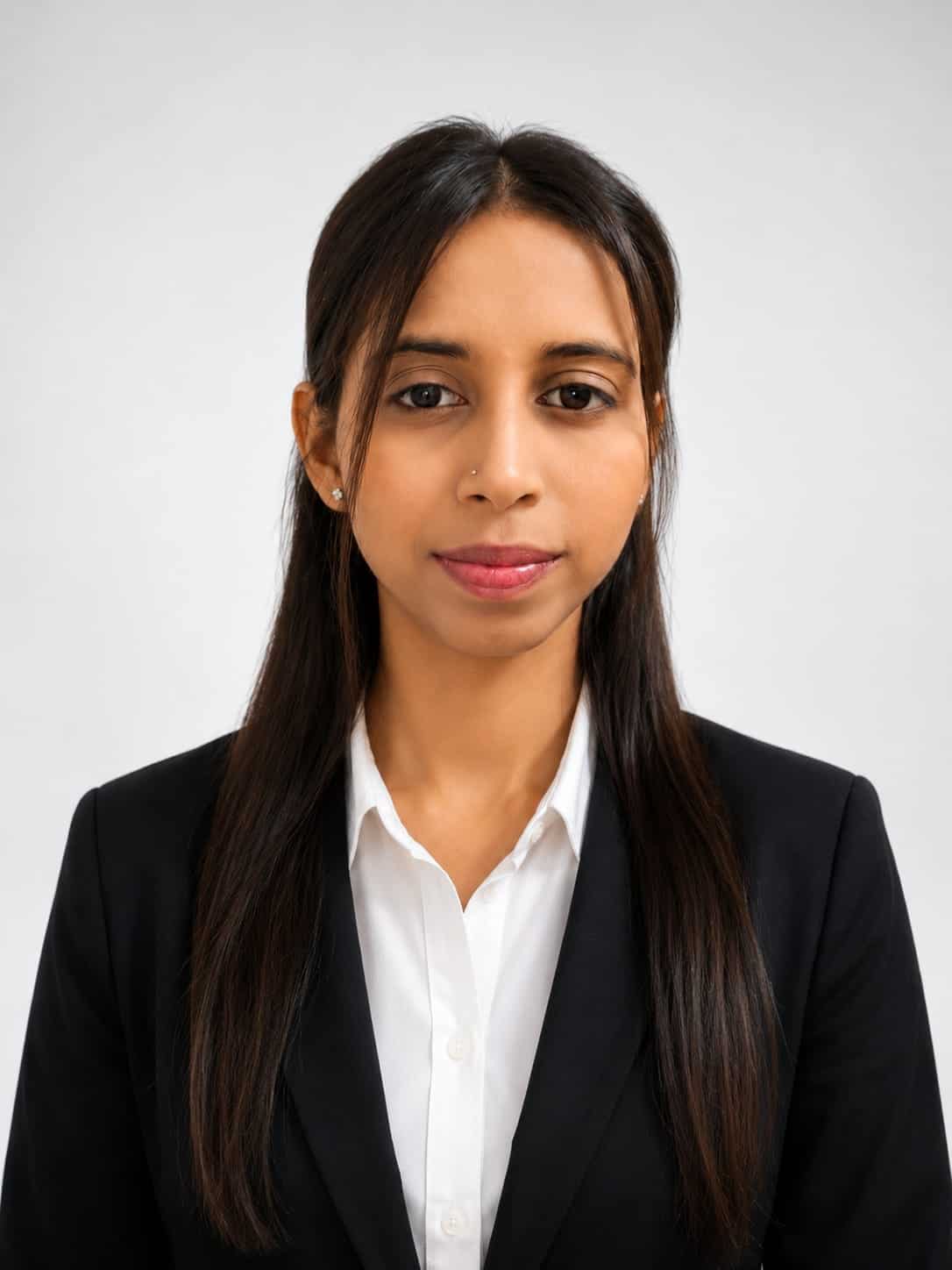
Nidhi Patel is an SEO and digital marketing content strategist focused on AI SEO, content marketing, blogging, and personal branding. Through TrendChaska, she shares practical digital marketing insights, SEO strategies, and AI tools for beginners, students, and small businesses in India.